

Middle East
Hajj 2026: Millions Prepare for Islam’s Sacred Pilgrimage to Mecca
ABN12 Wire
2026-05-18·2 min read
TLDR
- Hajj 2026: Millions Prepare for Islam’s Sacred Pilgrimage to Mecca
- Inside Hajj: The Meaning and Traditions of Islam’s Holy Pilgrimage
- Hajj 2026 Begins May 25 as Pilgrims Gather in Mecca
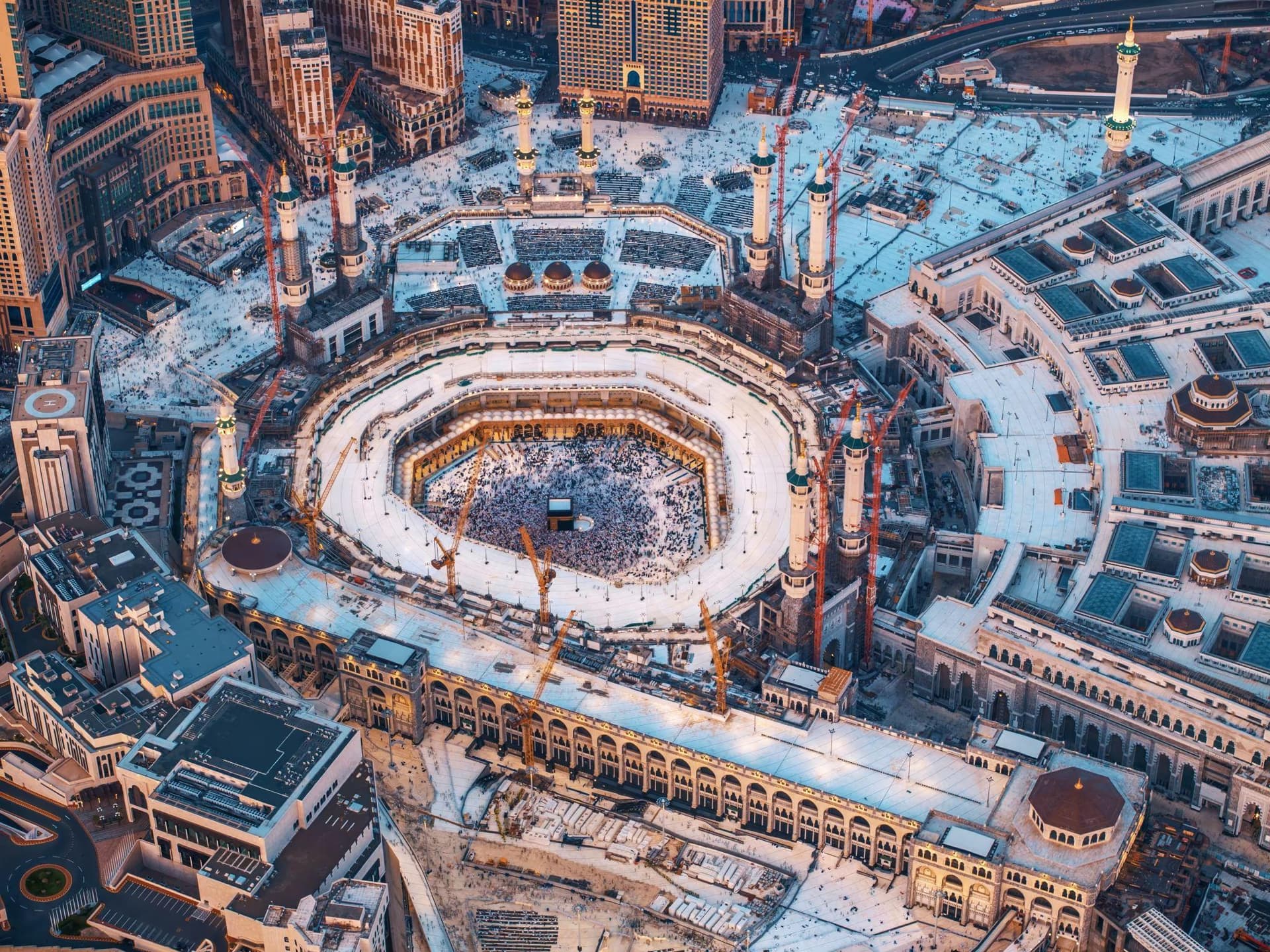
The Hajj is one of the world’s largest annual religious gatherings, bringing nearly two million Muslims each year to Mecca in Saudi Arabia. In 2026, the pilgrimage is expected to begin on May 25 after the sighting of the crescent moon that signals the start of Dhul-Hijjah, the final month of the Islamic calendar.
As Islam’s fifth pillar, Hajj holds deep spiritual importance alongside the declaration of faith, daily prayers, charity, and fasting during Ramadan. The Arabic word “Hajj” means “to undertake a journey with purpose,” reflecting the pilgrimage’s significance as a sacred act of devotion. For many Muslims, completing Hajj is a lifelong aspiration and a profoundly personal experience.
The pilgrimage lasts five days and involves a series of sacred rituals. Before entering Mecca, pilgrims enter a spiritual state known as *ihram*. Men wear two plain white cloths, while women dress modestly, symbolizing equality, humility, and unity before God regardless of status, nationality, or wealth.
Hajj traces its origins to the traditions of Prophet Muhammad and his farewell pilgrimage in 632 CE. Mentioned several times in the Quran, the pilgrimage is regarded as a religious duty for Muslims who are physically and financially able to undertake it. Beyond the rituals, pilgrims seek spiritual purification, forgiveness, and a stronger connection with God.
Since the Islamic calendar is lunar-based, the dates of Hajj shift earlier by about 10 to 12 days each year on the Gregorian calendar. Many pilgrims arrive in Saudi Arabia well ahead of the official start date to prepare mentally, physically, and spiritually for the journey.
Advertisement
Ad Space — mid-article
Hajj 2026: Millions Prepare for Islam’s Sacred Pilgrimage to Mecca
Advertisement
Ad Space — footer