

Middle East
**Gaza Bread Shortages Leave Families Waiting Hours for Basic Food**
ABN12 Wire
2026-05-18·2 min read
TLDR
- **Gaza Bread Shortages Leave Families Waiting Hours for Basic Food**
- Flour Shortages Leave Thousands Struggling for Bread in
- Flour Shortages Leave Thousands Struggling for Bread in
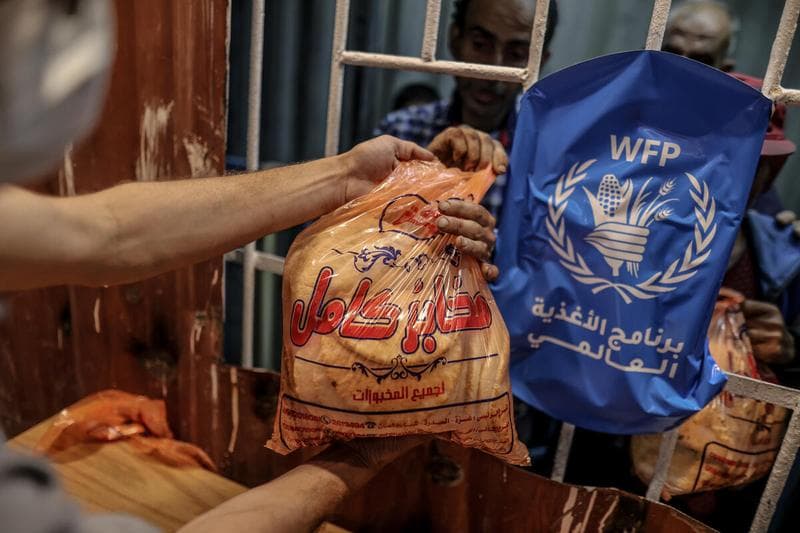
Long lines continue to form outside bakeries across the Gaza Strip as families struggle to secure enough bread to survive. Fourteen-year-old Muhammed al-Roubi says he often spends hours waiting under the scorching sun with no guarantee of returning home with food. To increase their chances, he and his cousin stand in separate queues, hoping one of them can obtain bread for their family.
The worsening crisis is driven by a major shortage of flour supplies. Gaza requires roughly 450 tonnes of flour each day, but only around 200 tonnes are currently being allowed into the territory. The shortfall has forced bakeries to reduce production, leaving residents facing daily shortages of a basic staple.
The supply restrictions intensified after border crossings were closed on February 28 during a joint military operation involving Israel and the United States against Iran. Although some crossings later reopened, access remains limited, with strict controls over humanitarian and commercial deliveries entering Gaza. Agreements linked to ceasefire efforts called for fewer restrictions, but implementation has remained inconsistent.
The humanitarian consequences are severe. More than one-third of Gaza’s 2.3 million residents depend on subsidized bread provided through the World Food Programme. As supplies continue to dwindle, black market prices have surged, making bread unaffordable for many families already living in poverty. The growing crowds outside bakeries reflect a deepening humanitarian crisis and the daily struggle for basic food and survival.
Advertisement
Ad Space — mid-article
**Gaza Bread Shortages Leave Families Waiting Hours for Basic Food**
Advertisement
Ad Space — footer